Newsletters · July 29, 2026 · 6 min read
Own Your Audience: Why Newsletters Beat Rented Reach
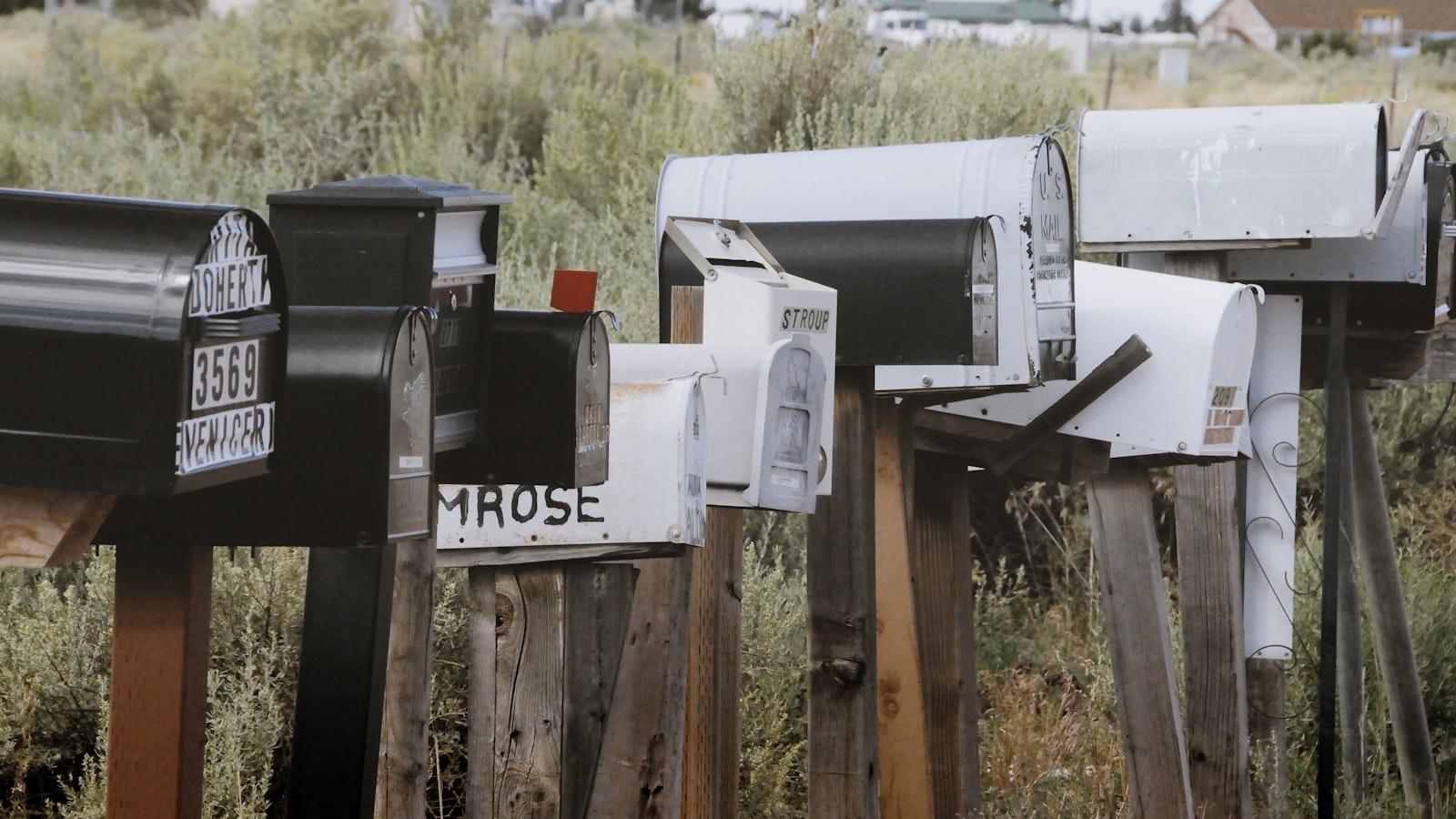
Social platforms give you reach, but they own the relationship. Your follower count can shrink overnight when an algorithm changes, a feature gets deprecated, or an account gets flagged. That is rented reach, and it is why more creators and small businesses are shifting effort toward audiences they actually control: email lists and newsletters.
The logic is simple. When someone joins your list, you have a direct line to their inbox that no platform can throttle. This post breaks down why owned audiences matter, what recent product moves signal about where newsletters are heading, and how to keep a consistent cadence once you commit.
Why owned beats rented
Rented reach means you build on land you do not hold the deed to. A platform decides who sees your posts, when, and how often. Owned reach means you hold the contact information and the permission to send.
The practical differences add up fast:
- Deliverability you influence. With email, your reach depends on list hygiene and engagement, not a feed ranking you cannot see.
- Portability. You can export a list and move providers. You cannot export your followers off a social platform.
- Measurable intent. Someone who hands over an email address is signaling more interest than a passive follow.
None of this means abandoning social. The smart pattern is to treat social platforms as the top of the funnel and your newsletter as the place where the relationship deepens.
The signal in the tooling: newsletters are getting embedded everywhere
One sign that owned-audience communication is becoming standard practice is how quickly it is being bundled into software people already use. A recent example comes from the internal-comms world, but the takeaway applies broadly.
As Reworked reported, ThoughtFarmer announced a new Employee Newsletter feature included with every subscription at no additional cost. The tool, in Reworked's words, "lets internal comms teams turn existing intranet content into branded email without the need to leave the intranet."
Why does an intranet feature matter to a creator or a small business? Because it validates the core playbook: take content you already produce, package it into a scheduled email, and measure what happens. The feature sits inside a Broadcast Center alongside an automated digest and one-off broadcasts, supports scheduled sending, lets you target specific groups, and tracks opens, total clicks, unique clicks, and clicks per item.
Swap "security groups" for "segments" and "intranet pages" for "blog posts," and the model is identical to what any newsletter operator should be doing. The rollout also launched with three templates (Editorial, Event Invite, and Employee Spotlight) and lets teams save their own. That template-and-reuse approach is exactly how you make a recurring send sustainable.
Set up your owned audience the right way
Before worrying about cadence, get the foundation right.
- Pick one primary capture point. A single, obvious signup on your site or profile beats five half-hearted ones.
- Promise something specific. "Weekly roundup of X, every Tuesday" converts better than "subscribe for updates."
- Segment from day one. Even a simple split (customers vs. prospects, or by interest) lets you target sends the way modern tools assume you will.
- Instrument opens and clicks. You cannot improve what you do not measure. Per-item click tracking, like the kind ThoughtFarmer built in, tells you which sections earn attention.
The goal is a list you own outright, with permission to send and enough structure to send the right thing to the right people.
The real challenge: keeping a consistent cadence
Most newsletters do not fail because the content is bad. They fail because the sender stops sending. Cadence is where owned audiences live or die, because an inbox rewards reliability and punishes silence.
Here is a framework that holds up under real-world pressure:
- Choose a cadence you can defend on a bad week. Weekly is powerful, but only if you can actually sustain it. Every-other-week that never slips beats weekly that ghosts for a month.
- Build a repeatable structure. Reusable templates turn a blank page into a fill-in-the-blanks task. This is precisely why bundled tools ship with templates and template-saving.
- Batch and schedule. Scheduled sending, another staple of modern newsletter tooling, lets you write ahead and protect your cadence against a chaotic week.
- Curate more than you create. You do not need original essays every issue. A tight roundup of links, context, and your own take is faster to produce and often more useful to readers.
A simple weekly workflow
To make weekly realistic, compress the effort into a defined loop:
- Collect sources and ideas throughout the week in one place.
- Draft using a fixed template so you are editing, not inventing structure.
- Add your take at the top so the issue leads with analysis, not a bare list.
- Schedule the send instead of pressing publish live.
- Review opens and clicks, then adjust next week's sections accordingly.
The hardest steps are consistently collecting good sources and turning them into a polished draft on schedule. That is the exact bottleneck that stalls most solo operators.
Where automation earns its keep
This is the point where tooling stops being nice-to-have. The internal-comms example works because the newsletter is generated from content that already exists inside the system, so the marginal effort per issue is low.
Creators and small businesses can borrow the same principle. If sourcing and drafting are what break your cadence, that is the part worth automating. A service like BetterPost is built for this: your agent can call it to find timely sources and write the newsletter end to end, which is what makes a weekly rhythm sustainable rather than aspirational.
Use automation to handle the repeatable heavy lifting, then keep your voice, your take, and your judgment on top — the same balance we recommend in our ranking of the best Claude writing skills. The combination of a reliable draft engine and human editing is what keeps quality steady without burning you out by week six.
Takeaways and next steps
Owned audiences are worth the effort because they are the one channel a platform cannot take away from you. The recent wave of newsletter tooling, from bundled intranet features to standalone services, shows the whole market converging on the same insight: turn content you already have into scheduled, measurable email.
Start here:
- This week: add one clear signup with a specific promise and pick a cadence you can defend on a bad week.
- Next: build a reusable template and start scheduling sends instead of publishing live.
- Ongoing: track opens and per-item clicks, and lean on automation for sourcing and drafting so the schedule never slips.
And once the cadence holds, monetization is the next lever — paid tiers, ads, and digital products, which we covered in how to make money using Claude and beehiiv together.
Rented reach can vanish. An owned list, sent consistently, compounds. Choose the cadence you can keep, then remove every excuse for missing it.
FAQ
What is an owned audience?
An audience you can reach without a platform's permission: an email list, a newsletter, a community you host. You hold the contact information and the consent to send, so no algorithm change or account flag can cut you off from the people who opted in.
Why is an email list better than social media followers?
Three reasons: deliverability you influence (list hygiene beats an opaque feed ranking), portability (you can export a list and switch providers; you cannot take followers off a platform), and intent (an email address is a stronger signal than a passive follow). Social still matters — as the top of the funnel.
How often should I send my newsletter?
Pick the cadence you can defend on a bad week. A biweekly send that never slips beats a weekly one that ghosts for a month, because inboxes reward reliability and punish silence. Weekly becomes realistic once you template the structure, batch the work, and schedule sends ahead.
How do I keep a weekly newsletter cadence without burning out?
Automate the two steps that break most operators — collecting sources and producing a polished draft — and keep your take and your editing on top. A writing service like BetterPost lets your agent hand off exactly that part: it finds timely sources and writes the newsletter end to end, so the schedule survives chaotic weeks.